KARES Scientific Advisory Board
-
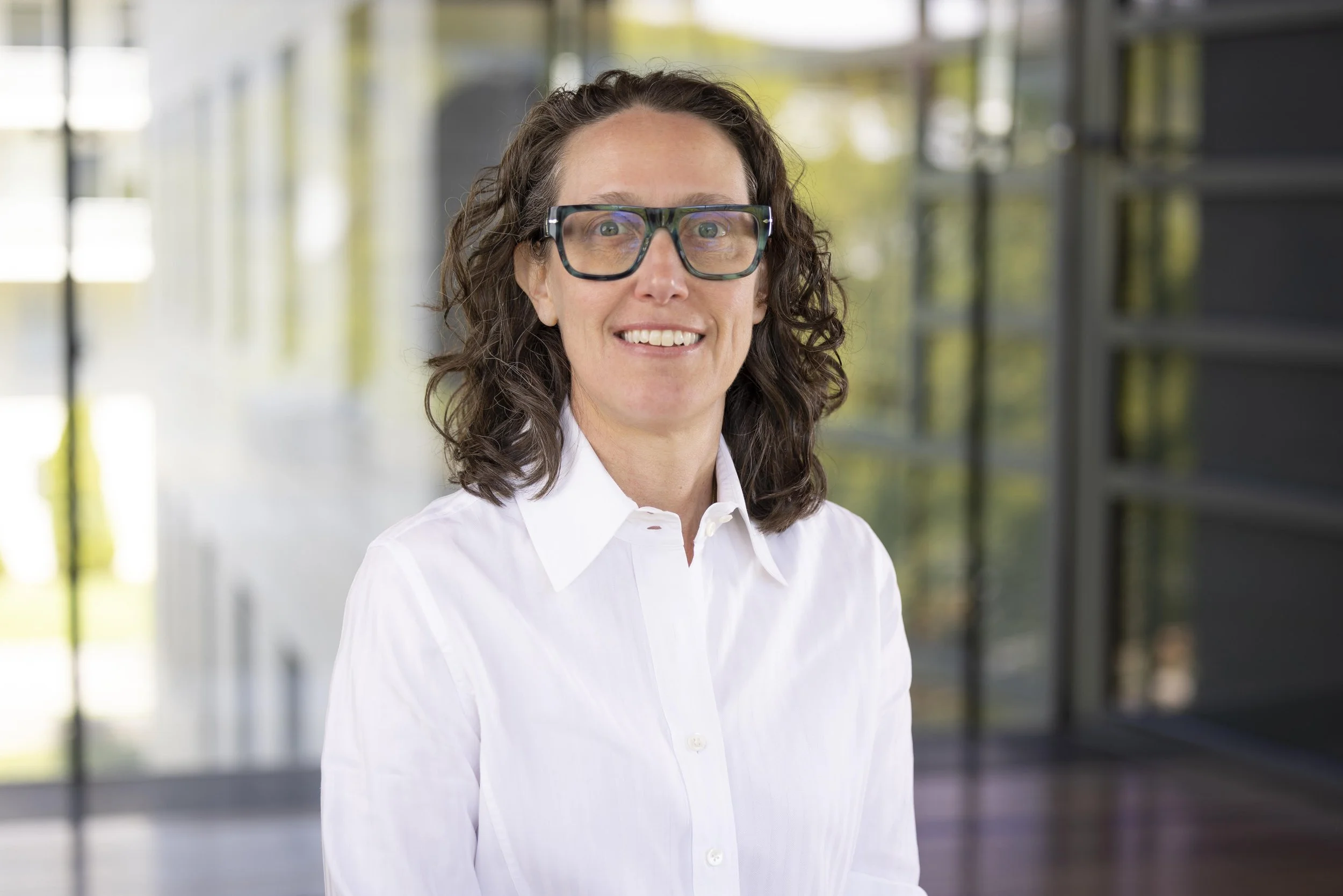
Dr. Julie Secombe, PhD, Chair
Dr. Secombe is Associate Dean for Graduate Programs in Biomedical Sciences and Professor of Genetics and Neuroscience at the Albert Einstein College of Medicine in New York. She is also a member of the Rose F. Kennedy Intellectual and Developmental Disabilities Research Center.
Dr. Secombe obtained her B.Sc and PhD at the University of Adelaide in her native country of Australia. She then did postdoctoral research at the Fred Hutch Cancer Center in Seattle before beginning her faculty position at Einstein in 2009. Dr. Secombe’s research focuses on understanding how the KDM5C protein regulates gene expression programs that are critical for neuronal development and function.
-

Julie Bayer-Vile, MS, CGC
Julie is a pediatric genetic counselor at the Children's Hospital of Richmond at VCU in Richmond, Virginia. She completed her bachelor's degree in medical laboratory science at Salisbury University, her master’s degree in medical laboratory science at the University of Texas Medical Branch, and her master’s degree in genetic counseling from Virginia Commonwealth University. In addition to being a licensed, certified genetic counselor, she is a certified as a medical laboratory scientist, a specialist in clinical chemistry, and a technologist in molecular biology.
She is interested in helping bridge the gap between clinicians and families who have received KDM5C diagnoses. She believes in making health care information accessible and equitable to as many people as possible. She has seen firsthand the empowerment that can come from informed families and understands that informed families are the best advocates. She became interested in KARES and KDM5C after a relative received a KDM5C diagnosis.
-
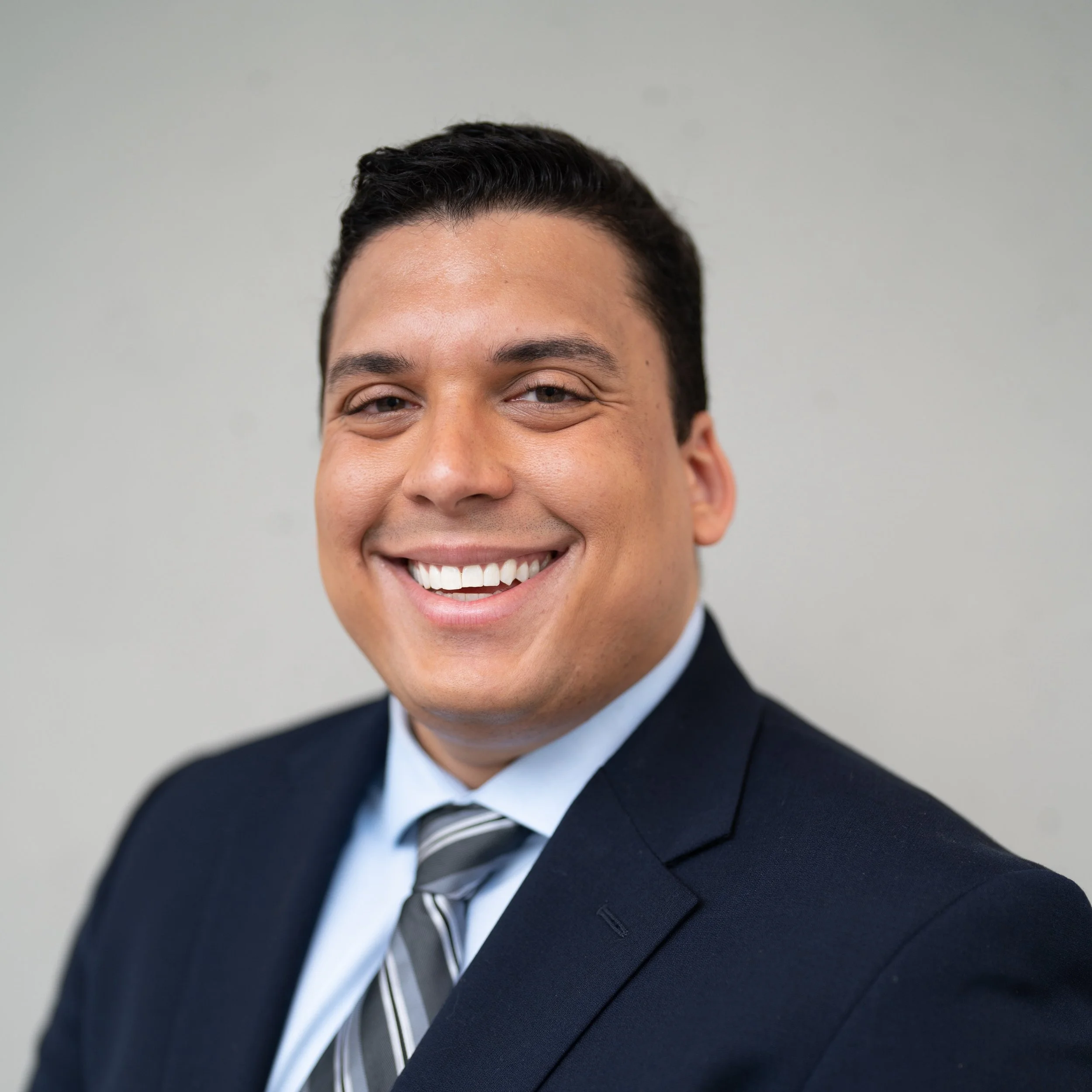
Dr. Hayden Hatch, MD PhD
Dr. Hayden A. M. Hatch is a resident physician in the child neurology residency program at Boston Children’s Hospital. Prior to residency, he attended the Albert Einstein College of Medicine, where he obtained his MD and PhD. Dr. Hatch completed his thesis in the lab of Dr. Julie Secombe, KARES Scientific Advisory Board Chair, studying how pathogenic variants in KDM5C alter neuronal development and function. During his thesis, he also helped organize the first gathering of families affected by KDM5C variants at Albert Einstein’s Rare Disease Day in 2020, which sparked the idea of creating the KARES Foundation.
Dr. Hatch has a longstanding interest in genetic causes of rare neurodevelopmental disorders and plans to pursue a research career in neurogenetics as a physician-scientist while engaging and connecting families affected by similar conditions. In addition to serving on the KARES Scientific Advisory Board, he is a committee member of the Leadership, Diversity, Equity and Inclusion Committee of the Child Neurology Society and previously served on the Undergraduate Education Subcommittee of the American Academy of Neurology.
-

Dr. Shigeki Iwase, PhD
Dr. Shigeki Iwase completed his Bachelor of Science at the University of Tsukuba in Japan, before achieving his PhD from the same university in 2006. He then completed his postdoctoral training at Harvard Medical School in Boston in 2012.
Dr. Iwase now serves as an Associate Professor in Human Genetics at the University of Michigan in Ann Arbor, where he also carries out his research. His work focuses on chromatin in our genetic material and its involvement in health and disease in the brain. In particular, Dr. Iwase and colleagues discovered that the human KDM5C gene encodes an enzyme that removes methyl marks specifically from histone H3 lysine 4, and this enzymatic function is broken in human KDM5C disorders.
-

Dr. Catherine Keegan, MD PhD
Dr. Keegan is a Professor of Pediatrics and Human Genetics at the University of Michigan in Ann Arbor. She is Director of the Division of Genetics, Metabolism, and Genomic Medicine in the Department of Pediatrics and Co-Director of the Michigan Medicine NORD Center of Excellence. Dr. Keegan sees patients as a Clinical Geneticist and has an interest in understanding the natural history of rare neurodevelopmental disorders such as KDM5C through disease-based registries.
Dr. Keegan completed her undergraduate degree at University of Michigan, followed by her M.D. and Ph.D. at the same institution as part of the Medical Scientist Training Program. She completed her Pediatric Residency at Children’s Hospital of Boston and returned to University of Michigan for Medical Genetics fellowship training. She started her faculty position in the Department of Pediatrics at University of Michigan in 2002.
-

Dr. Connie Krawczyk, PhD
Dr. Krawczyk is an Associate Professor in the Department of Metabolism and Nutritional Programming at the Van Andel Institute in Grand Rapids Michigan.
Dr. Krawczyk obtained her B.Sc. in Guelph, ON, Canada and her Ph.D. at the University of Toronto. She performed her postdoctoral studies at the University of Pennsylvania, then worked in drug discovery at Merck Frosst before starting her independent faculty position at McGill University (Montreal, CA) in 2011. She moved to the Van Andel institute in 2018, to help establish the new Department of Metabolism and Nutritional Programming. Her lab studies metabolic and epigenetic programming of immune cells and has found that KDM5C functions at the intersection of these processes.
-

Dr. Maria Miano, MS PhD
Dr. Maria G. Miano is a Senior Researcher of National Research Council of Italy and Head of the Human Neurogenetics Laboratory at the Institute of Genetics and Biophysics “Adriano Buzzati-Traverso” in Naples (Italy).
Dr. Miano obtained BSc and PhD at the University Federico II in Naples (Italy) and Specialty Degree in Medical Genetics at the University La Sapienza in Rome (Italy). She completed the research training at Medical Research Council-Human Genetics Unit in Edinburgh (UK). Her studies focus on the identification of convergent disease pathways damaged in brain diseases. Particularly, she established that KDM5C is an epigenetic regulator at the intersection of transcriptional axes involved in multiple neurodevelopmental disorders.
-

Dr. Nhung Tran, MD
Dr. Tran obtained her MD at the University of Texas Medical School (San Antonio) and is board-certified in Developmental and Behavioral Pediatrics practicing in Texas.
Dr. Tran is a developmental and behavioral pediatrician assisting families in the prevention, diagnosis and management of developmental difficulties and behaviors that can compromise development. She also works to foster understanding and promote the optimal environment for children and families through clinical care, education and advocacy efforts.
-
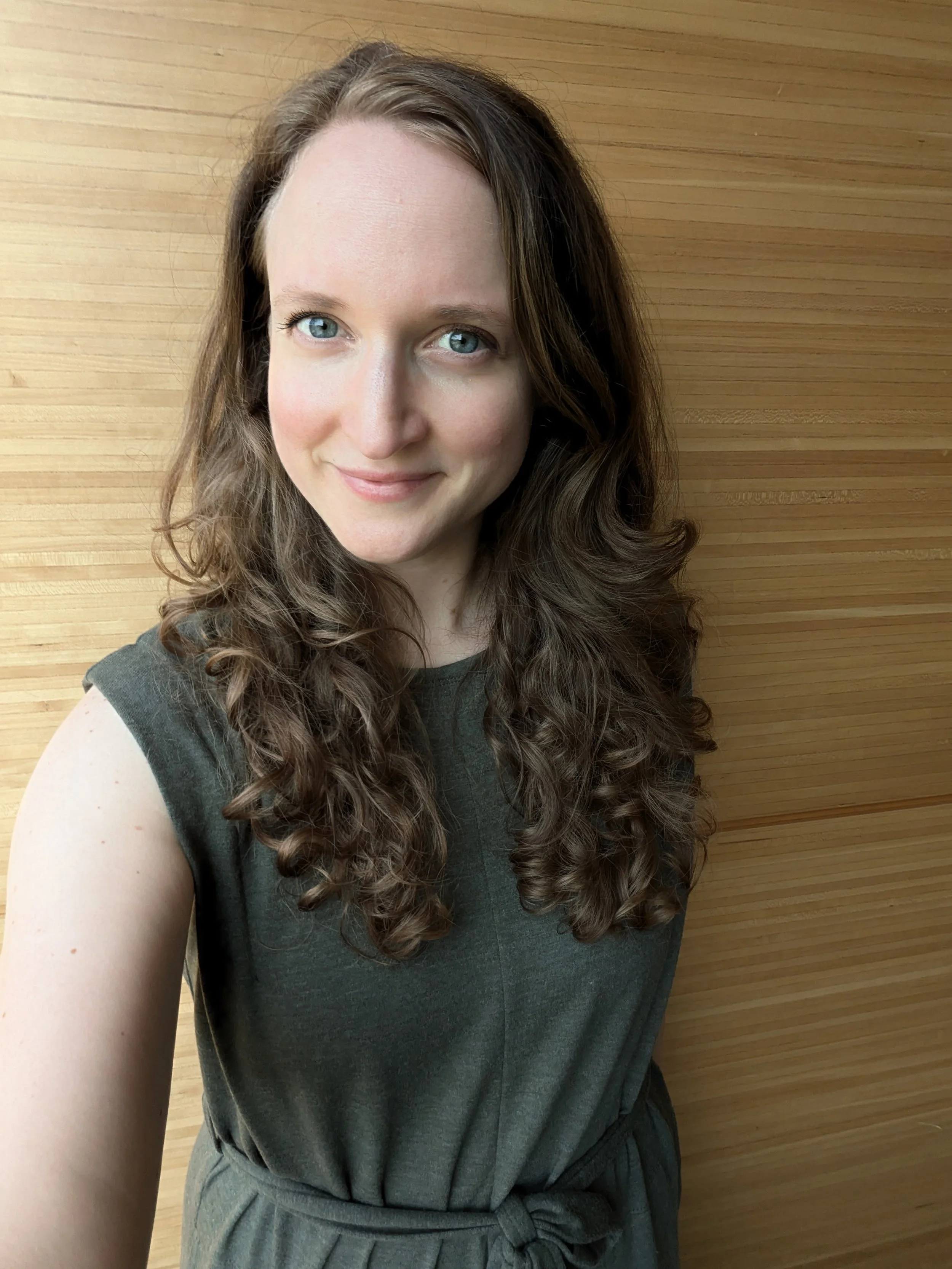
Dr. Christina Vallianatos, PhD
Christina works as a Genetics Education & Outreach Program Manager at The Jackson Laboratory for Genomic Medicine in Farmington, CT. As a genetics education specialist, she focuses on the design and implementation of courses and programming in genetics for many learner types. Christina loves combining her passion for outreach and engagement with her content expertise in genetics to make science and STEM careers accessible and inclusive for all.
Christina earned a BS in Neuroscience and a PhD in Human Genetics from the University of Michigan. She was a PhD student in the lab of Dr. Shigeki Iwase, where her thesis research focused on studying KDM5C and related genes in both mice and humans. Christina has had the immense privilege to watch the KDM5C community grow, from family connections to a Facebook group to the KARES Foundation and beyond. Christina also continues to work with the Iwase lab part-time as patient advocate and scientific liaison, helping to communicate the lab’s research and support the rare disease communities.
-
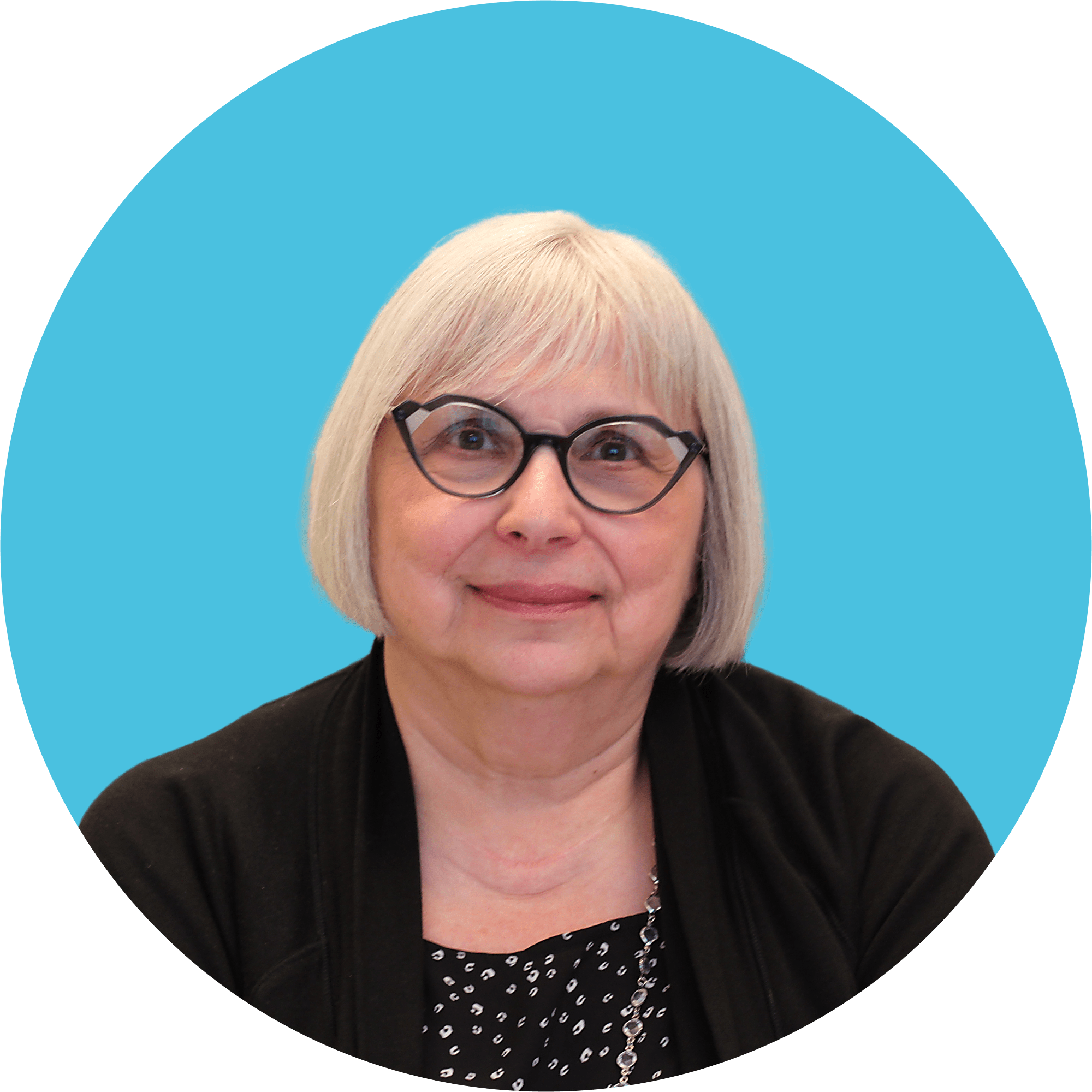
Dr. Rosanna Weksberg, MD PhD
Dr. Rosanna Weksberg is a clinical geneticist in the Division of Clinical and Metabolic Genetics at The Hospital for Sick Children (SickKids) and a Professor in the Departments of Paediatrics, Molecular Genetics, and the Institute of Medical Sciences at the University of Toronto. She also serves as a Senior Associate Scientist in the Genetics and Genome Biology Program at the SickKids Research Institute.
Dr. Weksberg’s research focuses on the role of epigenetics in human development and disease, particularly how genetic and environmental factors influence epigenetic changes associated with growth and neurodevelopmental disorders. Her work includes studying genome-wide epigenetic variation across human tissues and identifying epigenetic alterations linked to neurodevelopmental syndromes and growth disorders. She has published more than 200 peer-reviewed papers and serves as an Associate Editor for the American Journal of Medical Genetics and Frontiers in Genetics.
Dr. Weksberg earned her PhD in Medical Biophysics (1976) and her MD (1978) from the University of Toronto.


Our researchers and clinicians are like family.
The purpose of the Scientific Advisory Board is to offer expertise on scientific and clinical developments and to ensure that the KARES Foundation’s policies, research, grants, marketing, communications and publications meet the highest standards of scientific rigor and accuracy. This body is required to have a minimum of 3 Medical and/or Scientific Advisors.